


In recent years, the landscape of online gaming has transformed dramatically, spurred by the accelerated advancement of digital technology and increased global connectivity. One of the most compelling trends emergent within this domain is the rise of dynamic gaming communities, exemplified by the popularity of platforms like those accessible via keywords such as 'phjoin'. These virtual spaces have become more than just venues for playing games; they are thriving ecosystems where players from all corners of the globe connect, compete, and collaborate.
The significance of these online communities in 2026 lies in their extraordinary ability to foster a sense of belonging among players. Gone are the days when gaming was considered a solitary activity. Today, gamers revel in the opportunity to join greater communities that transcend geographical boundaries. Through forums, live chats, and multiplayer interactions, players can share experiences and strategies, thereby enhancing both gameplay and personal bonds. This has invariably led to an enriched gaming experience that is as social as it is strategic.
Moreover, these communities contribute significantly to the evolution of games themselves. Feedback from dedicated players often influences game developers, guiding updates and new features based on the collective demand and creativity of the community. The feedback loop established between players and developers is instrumental in the continuous improvement and innovation of games, ensuring that they remain engaging and relevant.
However, alongside these positive outcomes, challenges persist. Cybersecurity threats, online harassment, and the need for community moderation have become increasingly critical considerations for both developers and players. As such, ethical gaming practices and robust security measures are paramount in maintaining the integrity of online communities.
Regardless of these challenges, the potential of online gaming communities continues to expand. Initiatives such as virtual esports tournaments, educational gaming projects, and even community-driven charity events underline the diverse ways these platforms are being leveraged. As gaming communities become increasingly sophisticated, they hold the promise of not only revolutionizing entertainment but also providing novel channels for social good and personal growth.
As we progress further into the digital age, the unique dynamics of online gaming communities will likely continue to evolve, reflecting broader societal changes and technological advancements. Understanding this phenomenon offers valuable insights into the future of entertainment, connectivity, and community-building in our increasingly interconnected world.

Exploring the growth of online gaming communities in 2025, with a focus on innovative platforms like phjoin.
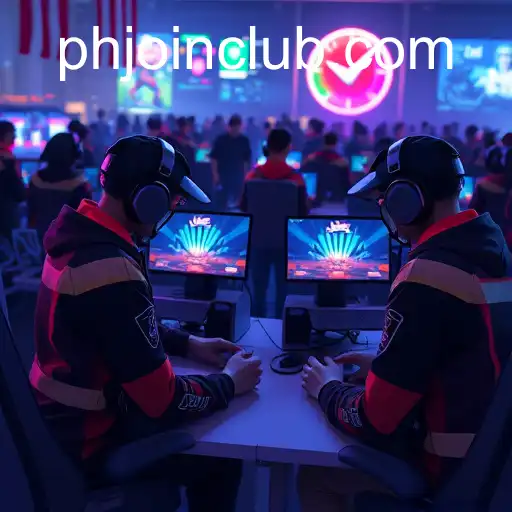
Exploring the development of online gaming communities and the role of platforms like 'phjoin' in shaping the digital landscape.

Exploring how the landscape of online gaming has changed in 2025, with a focus on dynamics driven by community engagement and technological advancements.

Exploring the growing trend of online language games fostering global community.

Explore the transformation of online gaming platforms like Phjoin and their role in shaping entertainment landscapes.

Exploring the growing importance of specific keywords like 'phjoin' in the thriving realm of online gaming in 2025.
